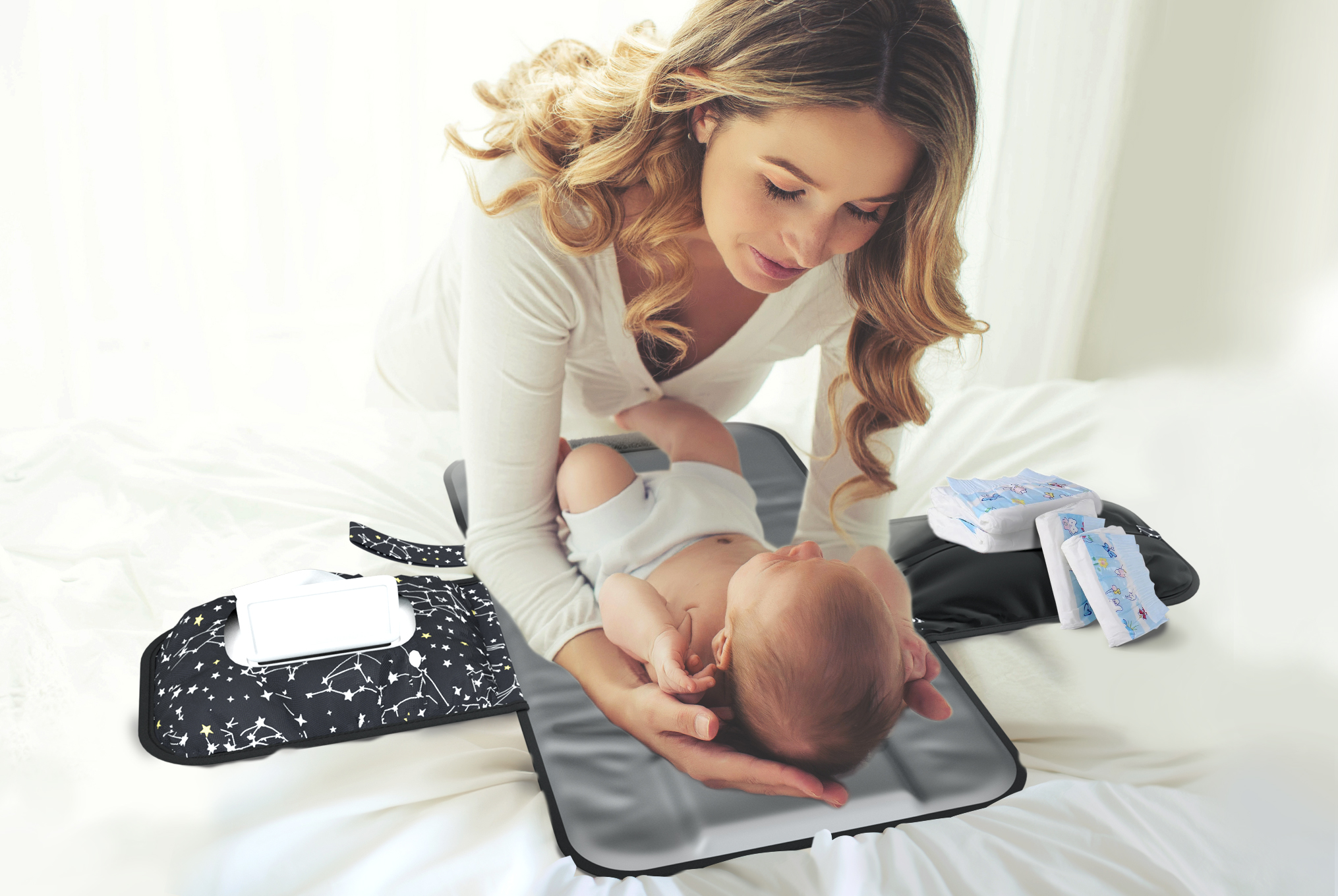
If you’ve ever wondered whether you’re “doing enough” as a parent, you’re not alone. Modern parenting arrives with a swirl of expectations—enrichment activities, balanced meals, early literacy, motor skills… the list never ends.
Research brings a reassuring message:
Children develop emotional security through frequent small interactions, not grand gestures.
Below are simple, evidence-informed habits parents can weave into everyday life to build resilience, confidence, and calm at home—no extra programs, subscriptions, or complex routines required.
1. Predictable Micro-Routines
Children thrive on rhythm, not rigid schedules. Small anchors—like reading before bed or singing the same bath-time song—signal safety.
When a child knows what comes next, their nervous system shifts from alert to learning mode.
2. Name and Validate Big Feelings
Instead of fixing emotions, try narrating them:
“You’re frustrated because the block tower fell. That’s hard.”
This builds emotional vocabulary—the foundation of self-regulation.
3. “One-on-One” Minutes
Just 10–15 minutes per day, fully present, without teaching or correcting, can dramatically improve behavior.
Children interpret presence as value.
4. Keep a “Growth Story” Corner
Children become more resilient when they can see progress rather than performance.
A simple way to support this is to collect small artifacts from their early years—first scribbles, a favorite button from a jacket, or a handwritten note about a milestone—and place them in a baby memory box.
This gives children a concrete way to revisit growth and reinforces a powerful message:
“Your story matters, even in the tiny details.”
It also helps parents notice strengths they may have missed in busy seasons.
5. Encourage Healthy Boredom
Boredom stimulates:
- creativity,
- problem-solving,
- independent play.
Rotate a few open-ended materials—blocks, crayons, paper—to spark imagination.
6. Use Family Language for Regulation
Short, repeatable phrases teach coping:
- “Smell the flower, blow the candle” (breathing)
- “Let’s shake the sillies out” (movement release)
Over time, children internalize these strategies.
7. Model Repair After Conflict
Perfect parents don’t exist—repairing is what matters.
Try:
“I’m sorry I spoke loudly. I felt frustrated, but you’re safe and loved.”
Children learn emotional hygiene through modeling, not lectures.
8. Invite Contribution
Watering plants, matching socks, setting napkins—these small responsibilities:
- build competence,
- support autonomy,
- reduce helplessness.
Let the process be imperfect—messy practice is still practice.
Community Matters
At Careflow Foundation, we believe resilience is cultivated together. Parents thrive through shared stories, practical tools, and inclusive spaces that honor real-life parenting—not curated perfection.
Our goal is to provide free creative activities, emotional-health guides, and approachable routines so families can connect without financial pressure or overwhelm.
If you’d like to contribute a tip or join a discussion group, you might inspire a parent who needs exactly your perspective this week.
Transparency Note
Careflow Foundation occasionally collaborates with mission-aligned brands to support our free educational programs. When we mention helpful tools—such as baby memory boxes, art sets, or organization aids—it’s because they align with child development values and accessibility.
Some links may be affiliate-based, and proceeds are directed toward free resources for families in need. We never recommend products that prioritize profit over emotional health.
Your trust is central to our mission.
Final Thought
Resilience isn’t built in milestones or achievements.
It grows in:
- repaired moments,
- tiny responsibilities,
- safe rituals,
- and the quiet belief that one’s story has value.
On days when it feels like nothing special happened—remember: you’re building emotional architecture with small bricks. And those bricks last.